
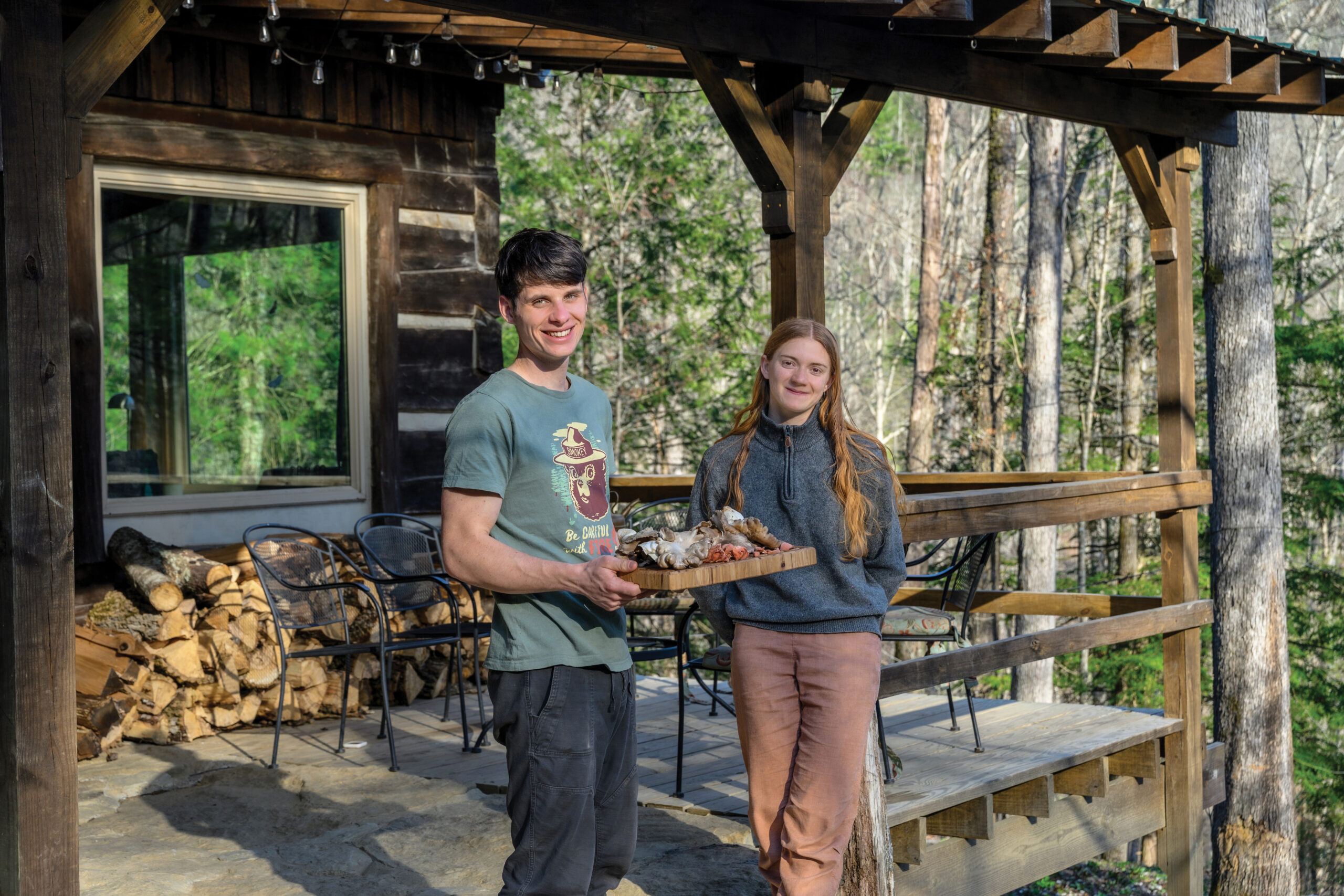
If you could live anywhere in the world, where would you choose? For many of us, the answer would be difficult. After all, there are countless amazing places across the globe. But for Elijah Hicks ’23 and Moriah Wilbur ’21, the answer is simple. After exploring more than 85 places around the world, their choice remains Slade, Kentucky.
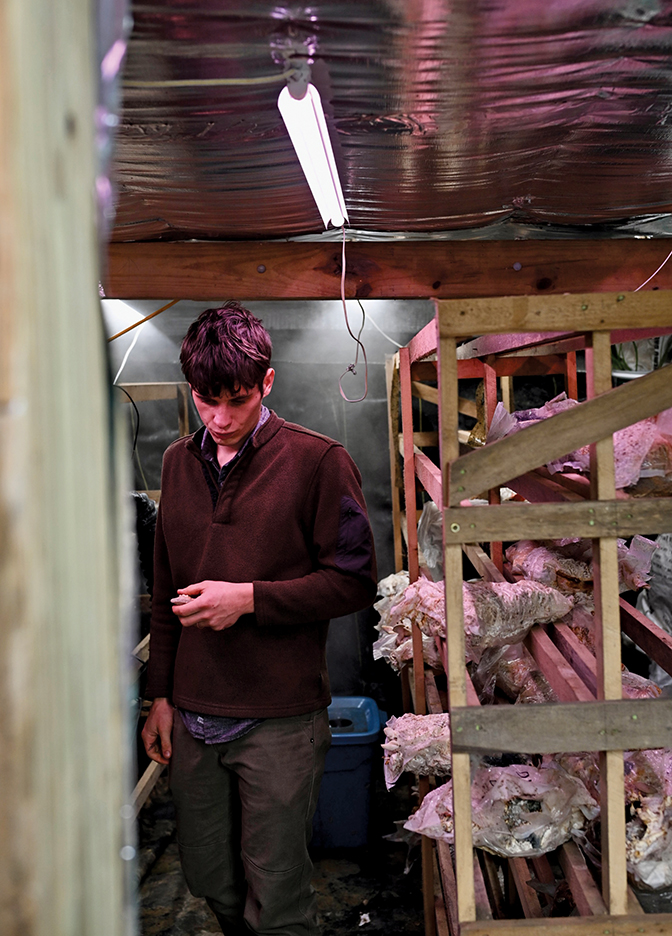
The couple’s journey began at Berea College, where Hicks majored in agriculture and natural resources with a minor in English. His interest in mushrooms started during a research project with a fellow senior studying whether fungi could break down plastic. “We basically fed the masks to these mushrooms…and the mushroom indeed grew all over this blue plastic mask,” he explained.
Since then, Hicks’ mushroom research has continued, interested not only in their unique biological abilities but also in the implications they have for addressing environmental and agricultural challenges.
Photos by Kalilah Hicks ’27
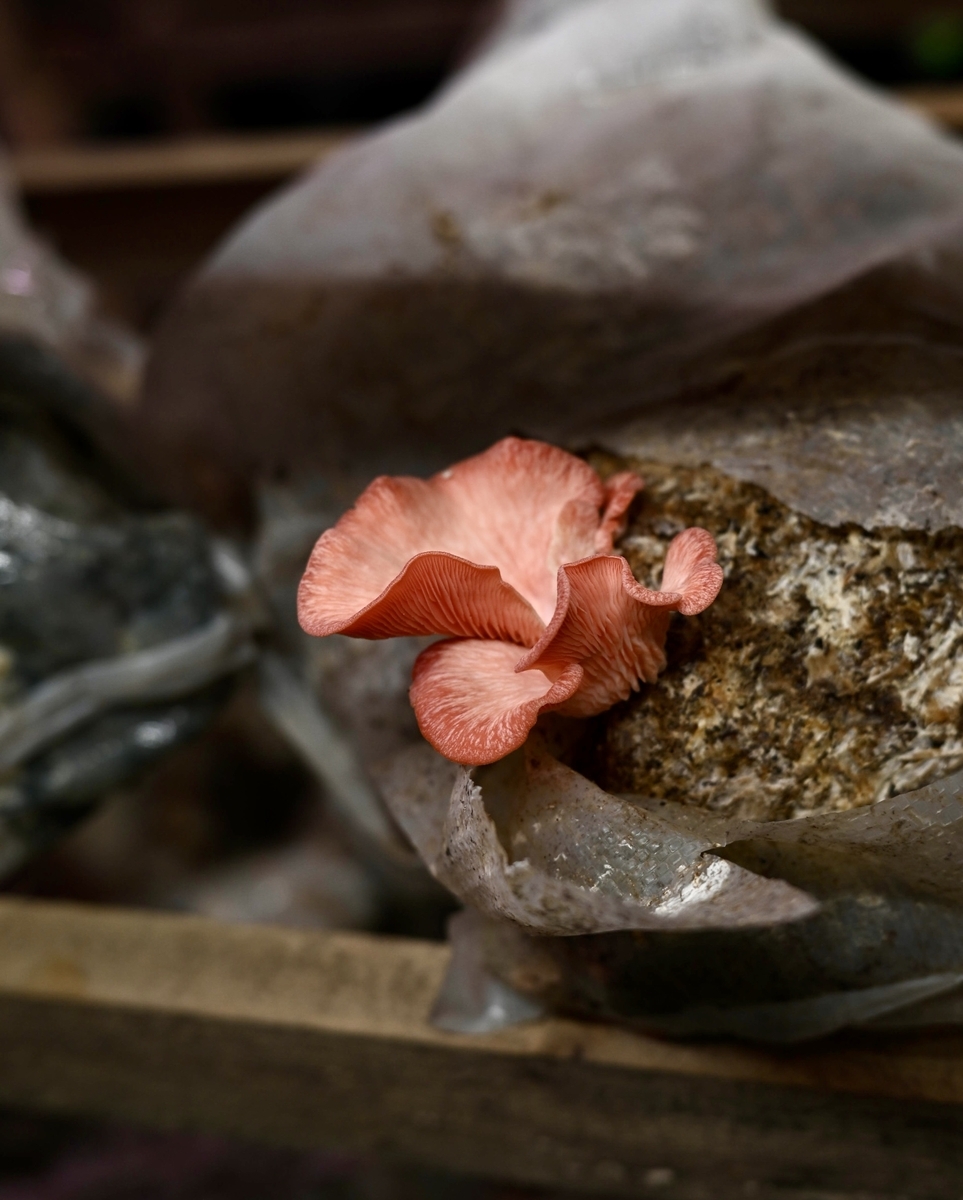
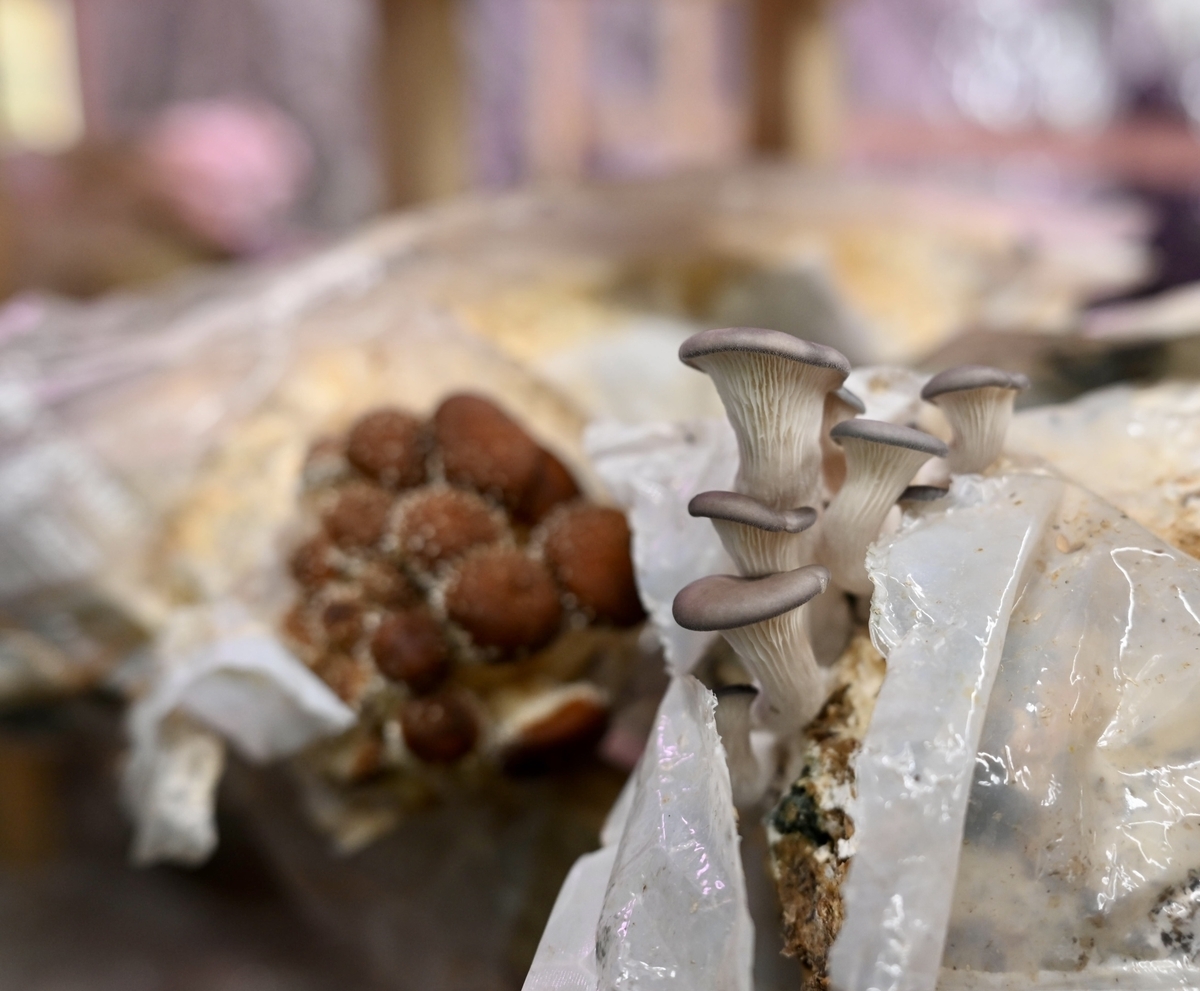
Meanwhile, for Wilbur, choosing to major in health and human performance stemmed from the situation of her country, Tajikistan. “Where I grew up, women and girls had little access to programs and resources that would allow them to take care of their physical health,” she said. “Not only was opportunity lacking, but girls are often discouraged or forbidden to participate in sports.”
Wilbur pursued her major because she believed pursuing health is a human right and that it was a small way she could honor the women and girls in her life who had been denied these rights.
With time, after Wilbur and Hicks married, an amazing opportunity came their way, a program that gives graduating seniors a $40,000 grant to conduct independent and global exploration outside the United States: the Thomas J. Watson Fellowship. “I was studying the intersection of tourism, small-scale tourism, community empowerment, regenerative agriculture and wilderness preservation; how do we hold these things together?” Hicks explained.
Throughout these travels, they were amazed by the stories and successes they encountered in other places. “One of the greatest lessons I learned from Elijah and my Watson experience is the impact ownership of place has,” Wilbur said. “The communities we visited, where the people had an obvious love and pride for their homeplace led to the flourishing of the land and the community.”
Moriah also reflects on how these lessons made her realize their next step as a couple. “I think we often feel the need for big solutions to the big problems our world faces,” Wilbur said. “But the flourishing of people and place comes through a series of many small solutions that ultimately lead to big lasting impacts that are sustainable, and this can only happen when people feel significant connection to land and community.”
This realization led her and Hicks back to Appalachia, with a desire to steward and learn to love the community and land that had given them so much.
Berea didn’t give me a clear path in life, but it gave me the chance to grow, explore different disciplines and receive a free education, which I’m really grateful for.
Elijah Hicks ’23
During the final month of their travels, the couple began brainstorming their next project upon returning to Kentucky. Starting a mushroom farm was initially a long-term dream, Wilbur explains, but it soon became a reality.
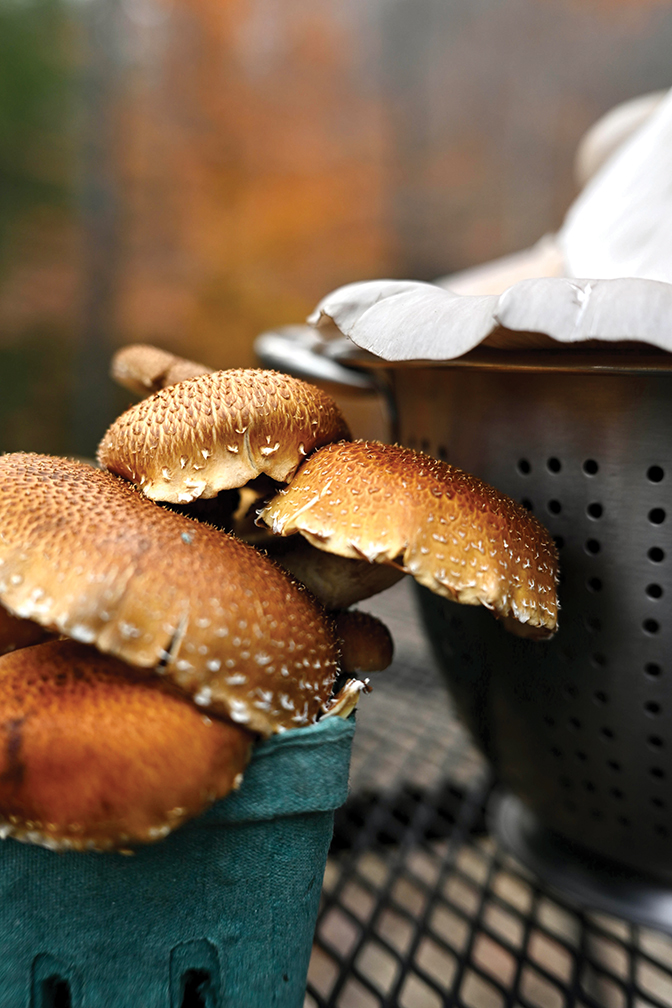
Today, they run Forest Forager Farm, a small-scale mushroom operation focused on sustainability, education and community engagement.
Mushrooms fascinated Hicks not only for their environmental benefits but also for their health potential. He noted, for example, that lion’s mane mushrooms have been shown to improve cognitive performance and may help treat conditions such as Alzheimer’s and dementia. More importantly, Elijah remarked that mushrooms can be grown in a small space with a low environmental footprint, making them a promising sustainable food source.
“Economically, this is something that, if we can get it off the ground and get going, really makes sense in a way that farming tomatoes or strawberries doesn’t really make sense in our economy,” Hicks said.
The couple also hopes their farm can support tourism and small business development in Kentucky. Hicks believes that responsible tourism and local enterprises can help Appalachia thrive while preserving its natural beauty.
Returning home after traveling the world confirmed something for him: Appalachia is where he belongs. “Every day I’m here, I just feel really lucky to live in such a beautiful region with mountains and hills and water and trees,” he said. “I really did travel the world, and coming back here, this is my favorite place.”
Hicks explains that Berea made this path possible. “I wouldn’t have this opportunity without Berea. If I were paying off $120,000 in debt, I’d have to prioritize getting a job that makes a certain amount of money. Where I am now involves a lot of experimenting and figuring things out, and it’s not always comfortable, but it’s a gift. Berea didn’t give me a clear path in life, but it gave me the chance to grow, explore different disciplines and receive a free education, which I’m really grateful for.”
Choosing Slade, for Hicks and Wilbur is important not only for the place they live. After seeing all kinds of places around the world, they realized that the place they want to shape, protect and grow is still Slade, Kentucky.
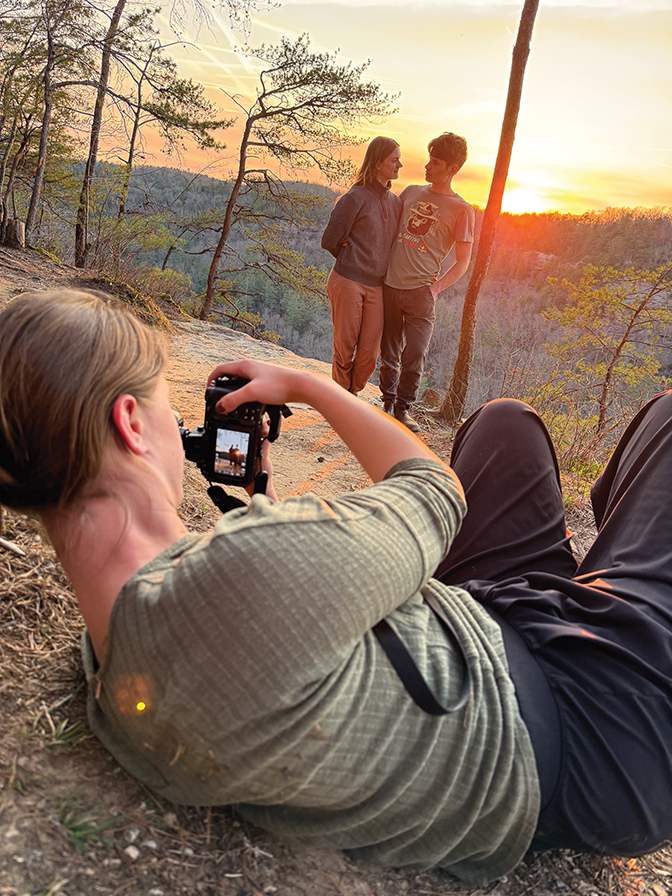
About the cover
Kalilah ’27 photographs her brother, Elijah Hicks ’23, and sister-in-law, Moriah Wilbur ’21, near their beautiful property in Slade, Kentucky, where they run Forest Forager, a small mushroom farm. Elijah returned to his roots in Stanton, where he, Kalilah and their siblings grew up. Sharing their story of commitment and excitement to live and thrive in their Appalachian community was made complete with Kalilah, a rising senior and photography manager in Berea College’s Marketing and Communications office, coming home to capture this perfect mountain-top cover image.
Photo by Crystal Wylie ’05